


Science of Soccer - Free STEM Program for Kids in Philadelphia
This summer, The Franklin Institute is bringing free, hands-on science to every neighborhood in Philadelphia. The Science of Soccer program, running at all 54 Free Library of Philadelphia branches from May through August 2026, turns kids ages 6–10 into soccer scientists, exploring the physics, engineering, and biomechanics behind the world's most popular sport. No registration required at most locations.
Soccer, like many sports, is all about motion. As players dribble, pass, block shots, and score goals, they’re using the motion of their bodies to control the motion of the ball. And wherever you have moving objects, you have physics! The difference between tapping the perfect back-heel pass and driving home a penalty kick lies in understanding the forces at work on the ball: friction and momentum, angle and trajectory.
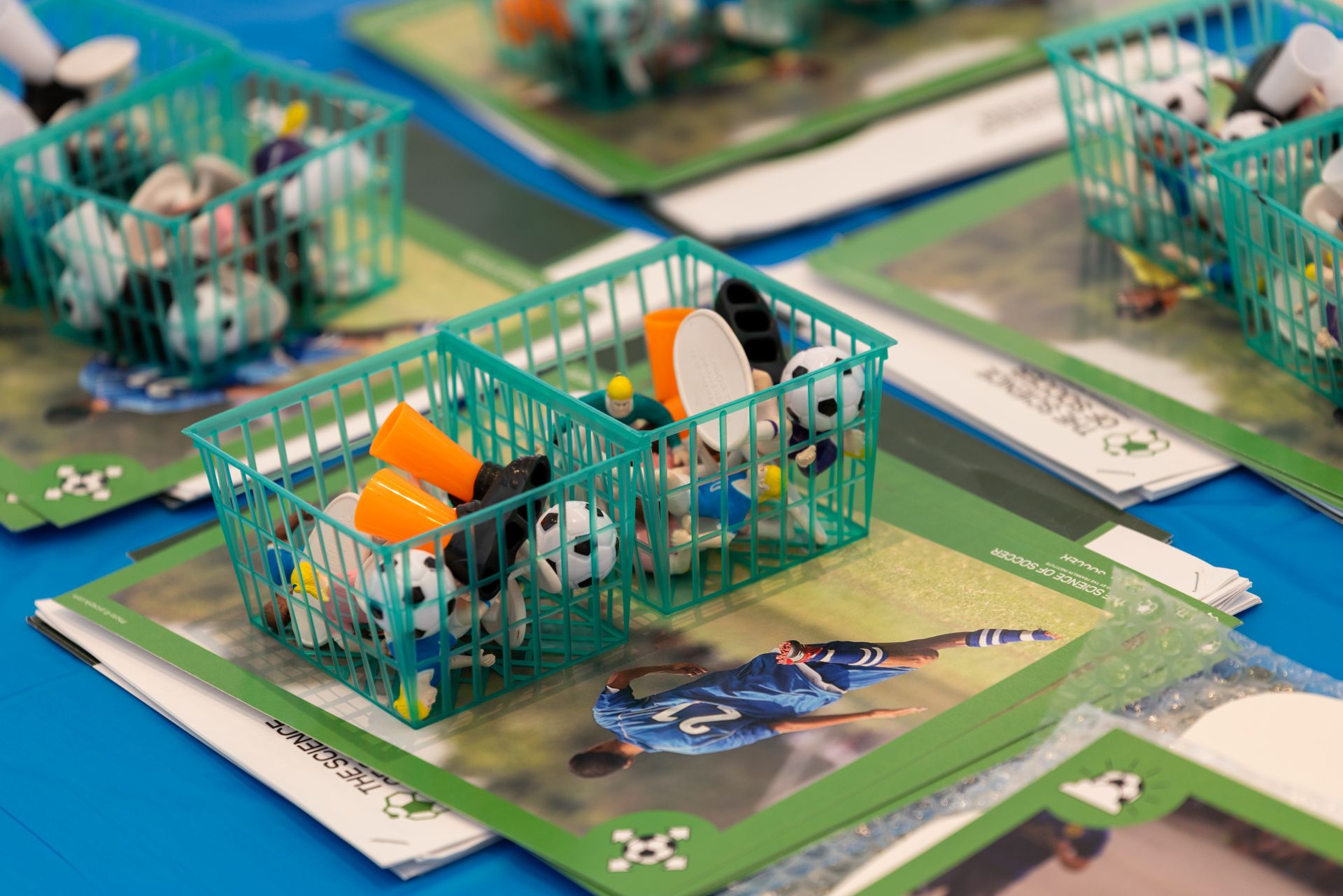
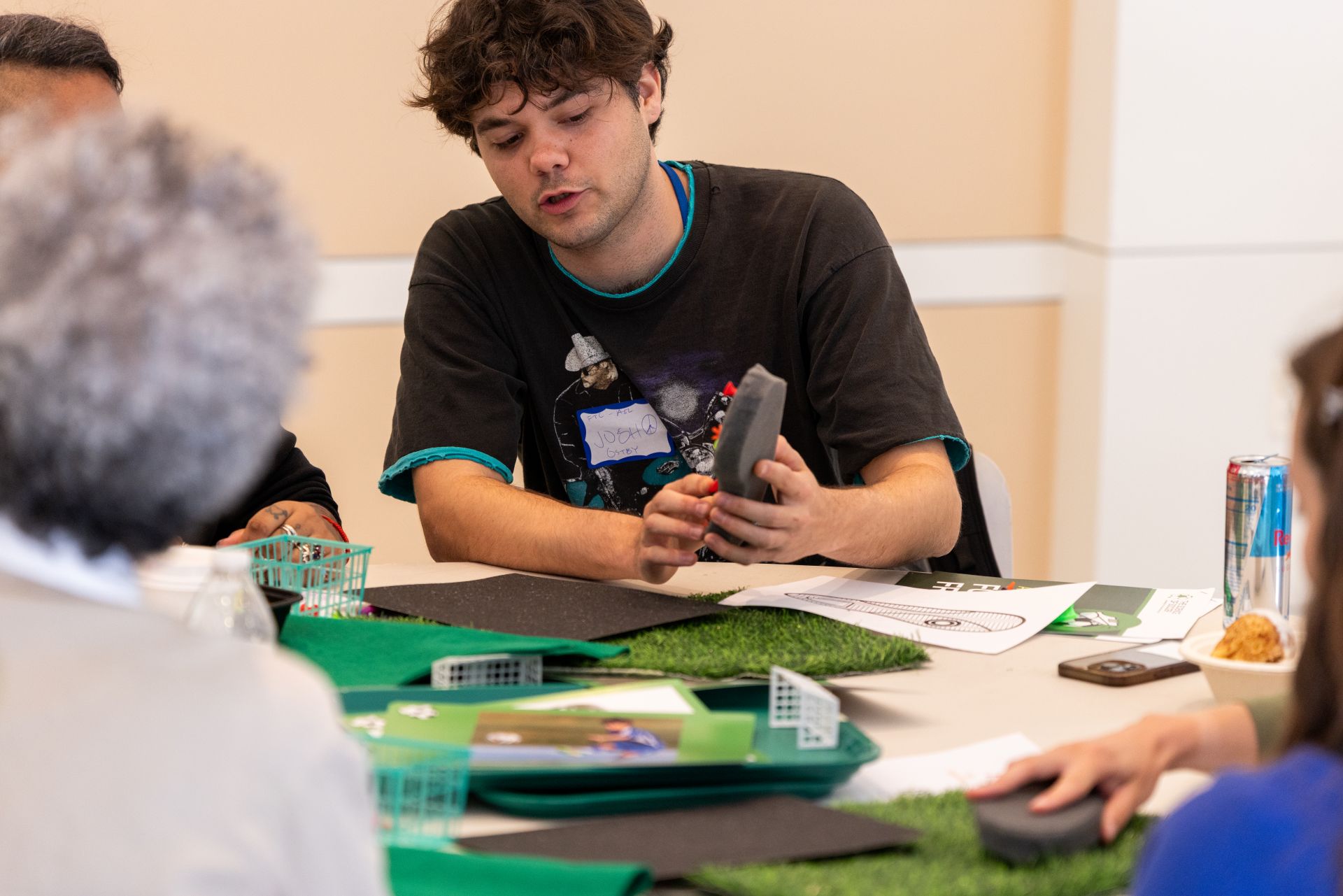
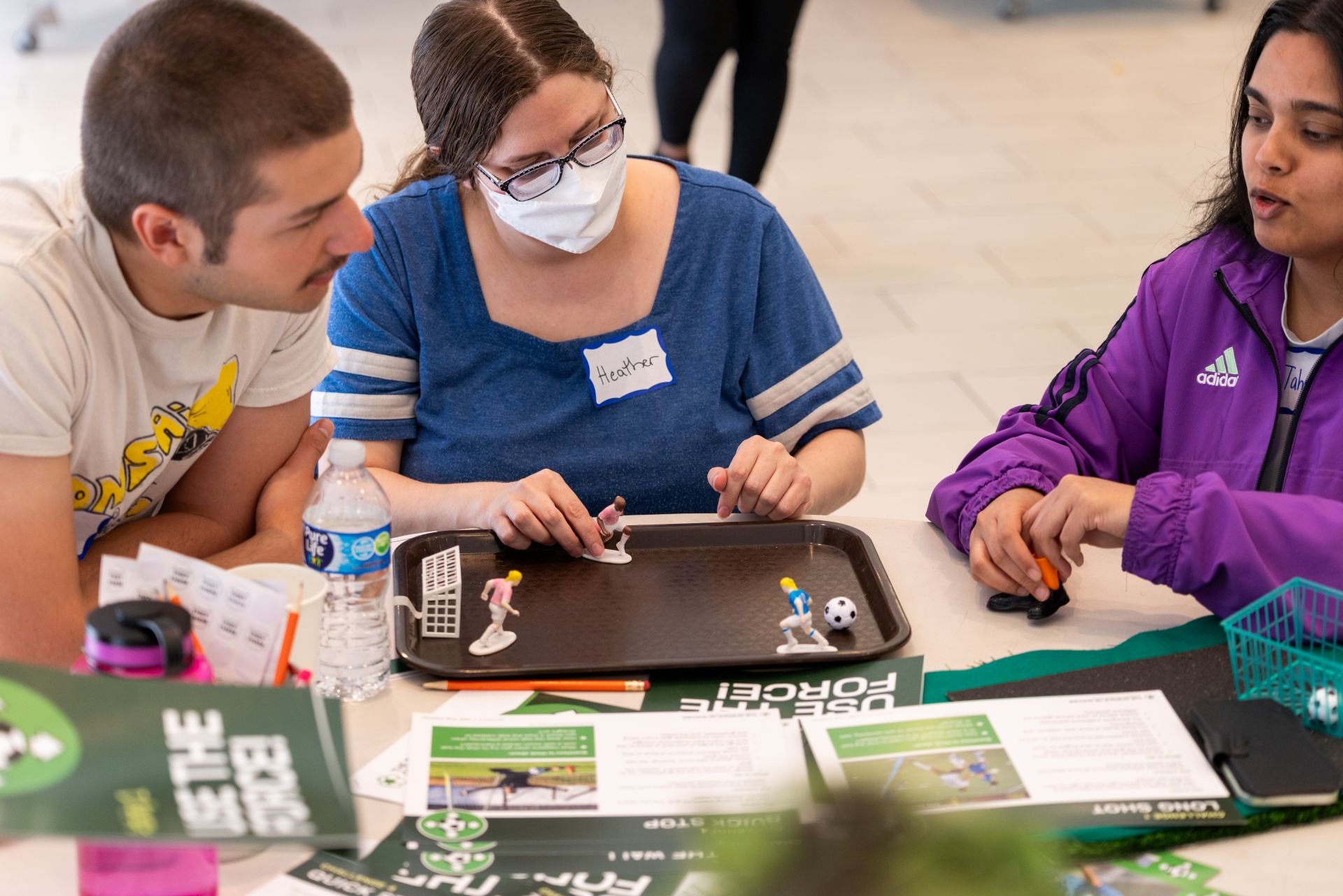
In these free kids activities around soccer in Philadelphia, learners become soccer scientists as they use tabletop models to explore how the physics of force and motion impact different aspects of the game, from ball control to equipment design! Activities are geared towards youth ages 6-10 in Philadelphia.

Become A Soccer Scientist
Programming will take place across all 54 branches of the Free Library of Philadelphia, May – August 2026.
Explore the resources below:
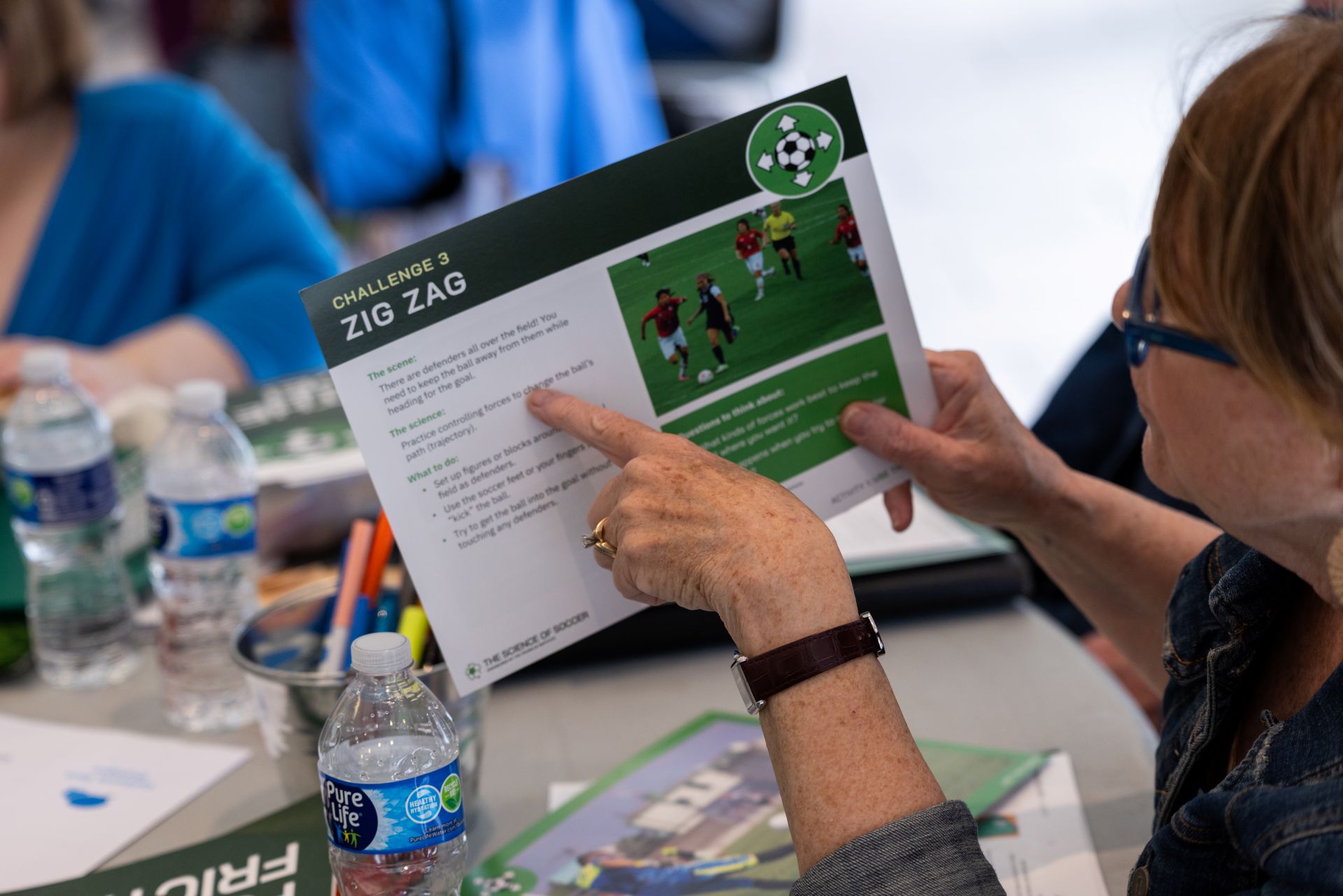
Learners experiment with how different amounts and directions of force affect the motion of a ball. Using simple tools to simulate kicking, they will investigate speed, distance, control, and precision—just like real soccer players do on the field.
Resources:

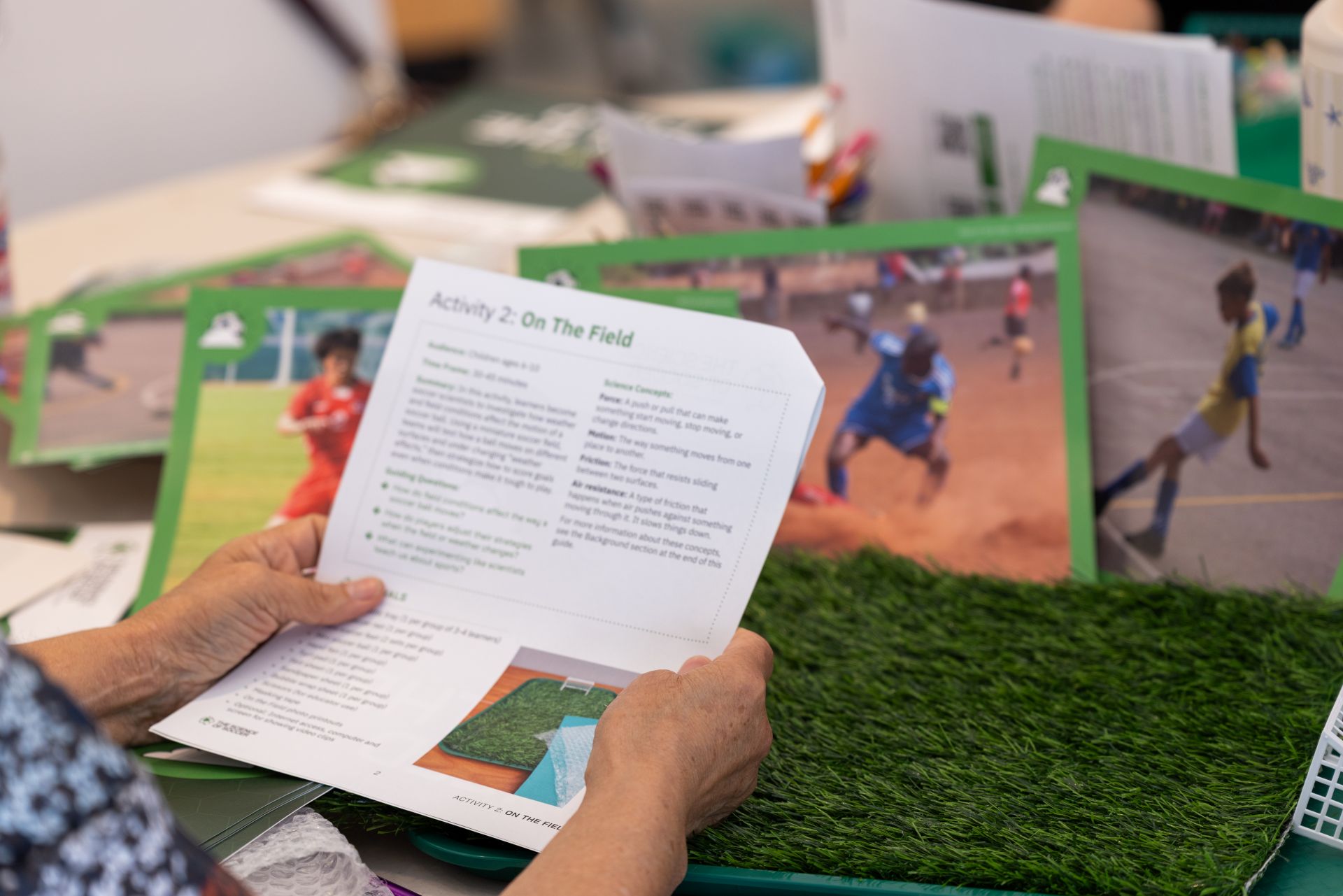
Learners investigate how weather and field conditions affect the motion of a soccer ball. Using a miniature soccer field, teams will test how a ball moves on different surfaces and under changing “weather effects,” then strategize how to score goals even when conditions make it tough to play.
Resources:

Learners test their reaction times through a series of fast-paced challenges. They’ll explore how focus, visual cues, and surprise affect the speed at which they can move, just like soccer players in real games.
Resources:

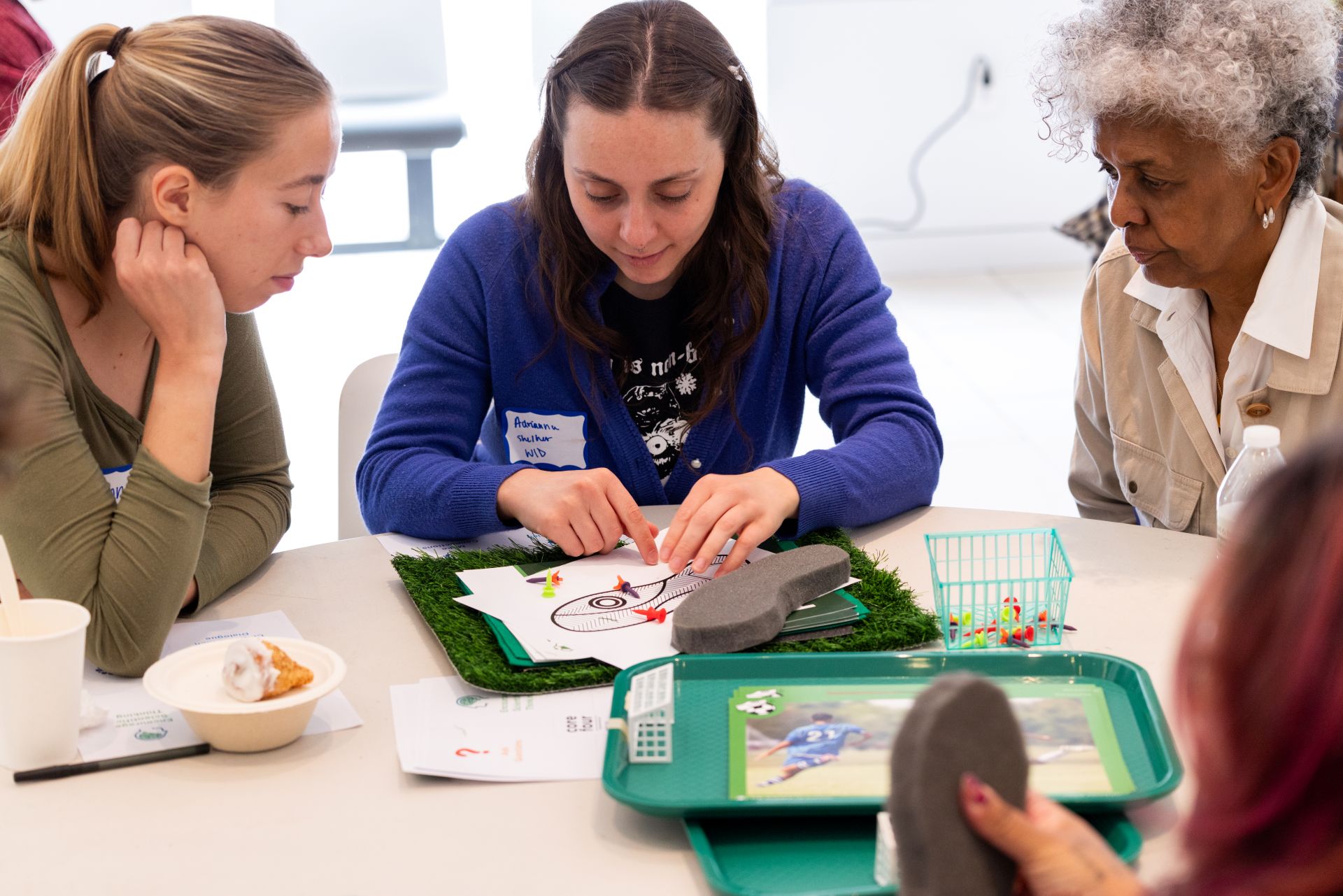
Learners take on the role of sports engineers to test how traction works on the sole of a soccer cleat. Learners will design, build, and test their own prototype soccer cleat. They’ll explore how friction and traction affect movement and performance on different surfaces.
Resources:

Explore these additional resources to support the Science of Soccer program with your learners.
Resources:

Frequently Asked Questions
Is the Science of Soccer program free?
Yes! All programs are free and will take place and libraries throughout Philadelphia.
What age is Science of Soccer for?
Activities are geared towards youth ages 6-10. Check your local library event calendar for specific age requirements.
Where can I find Science of Soccer near me in Philadelphia?
Check the Free Library of Philadelphia's Event Calendar to find your local library schedule.
What will my child learn in the Science of Soccer program?
Through hands-on activities, youth are introduced to the science behind the game, where every pass, kick, and goal is a live demonstration of STEM in action. No science or soccer background knowledge is necessary. Bring your love of the game and get ready to explore how the physics of force and motion impact different aspects of the world's most popular sport!
Do I need to register for Science of Soccer at the library?
Registration is open drop in at most sites on a first come, first served basis. Please call your local branch for availability.

Universal Theme Parks: The Exhibition
Ever wondered how a theme park is made? Go Inside the Making of Theme Park Adventures in Philadelphia.
Youth & Community Programs
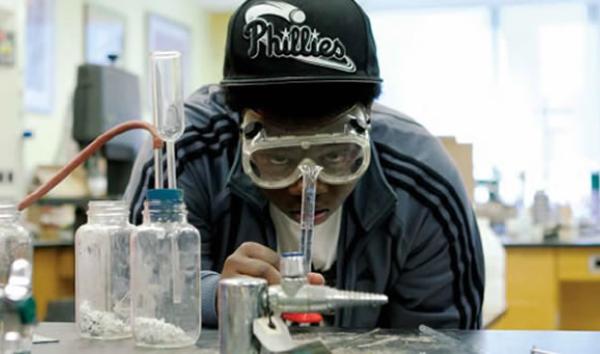
Discover hands-on youth and community programs designed by The Franklin Institute, with a focus on where curiosity meets opportunity.

Plan Your Visit
The museum exhibits will give learners opportunities to engage further with some of the Science of Soccer ideas.

Become A Soccer Scientist
Programming will take place across all 54 branches of the Free Library of Philadelphia, May – August 2026.
Presented by
